
Climate action
Overview
Over the past few decades, remote First Nations communities have experienced first-hand the destructive effects of climate change in many different ways, including unprecedented drought and heat waves that have led to major marine die-offs and other catastrophes.
CFN member communities are committed to taking action on climate change. This includes minimizing climate change impacts by reducing our dependence on fossil fuels, and building our resilience to changes over time.
The Coastal First Nations Declaration for Clean Energy & Climate Adaptation is our commitment to become climate resilient, adaptable, secure, and non-emitting. We uphold our commitment to the wellbeing of future generations through this declaration.
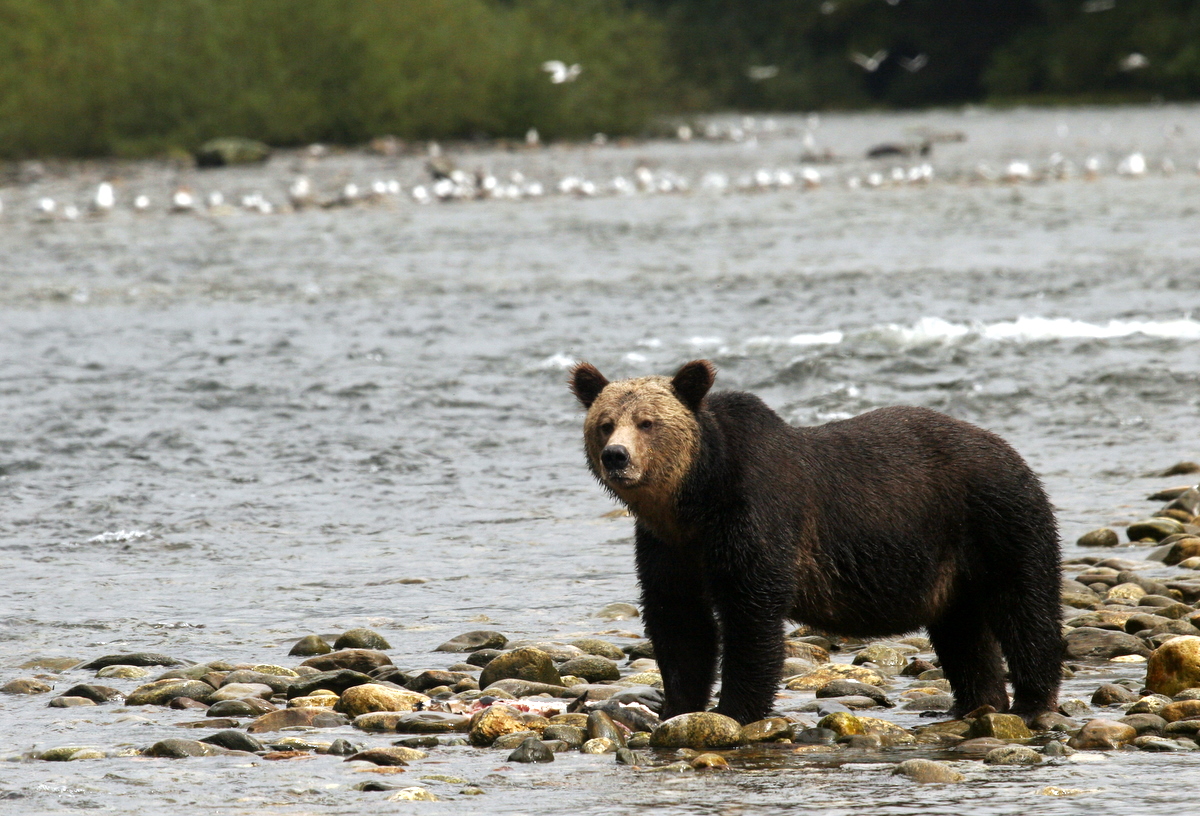
Clean, Resilient Communities
Coastal First Nations hosts the Indigenous Climate Action Network (ICAN), an Indigenous-led peer network that supports member communities to achieve their climate action goals. We’re working to enhance local economies and protect the natural environment by reducing dependency on fossil fuel and supporting resilience. Funding for full-time staff positions focused on climate action (Climate Action Coordinators) combined with individual, peer-networking, and wrap-around supports advances demand-side management and clean energy projects, and uplifts Indigenous climate action leadership.
ICAN also supports communities to explore clean, non-fossil fuel-based alternatives to heat and power their homes and infrastructure. Clean energy initiatives support healthy, energy efficient communities by improving air quality and reducing our contribution to climate change.
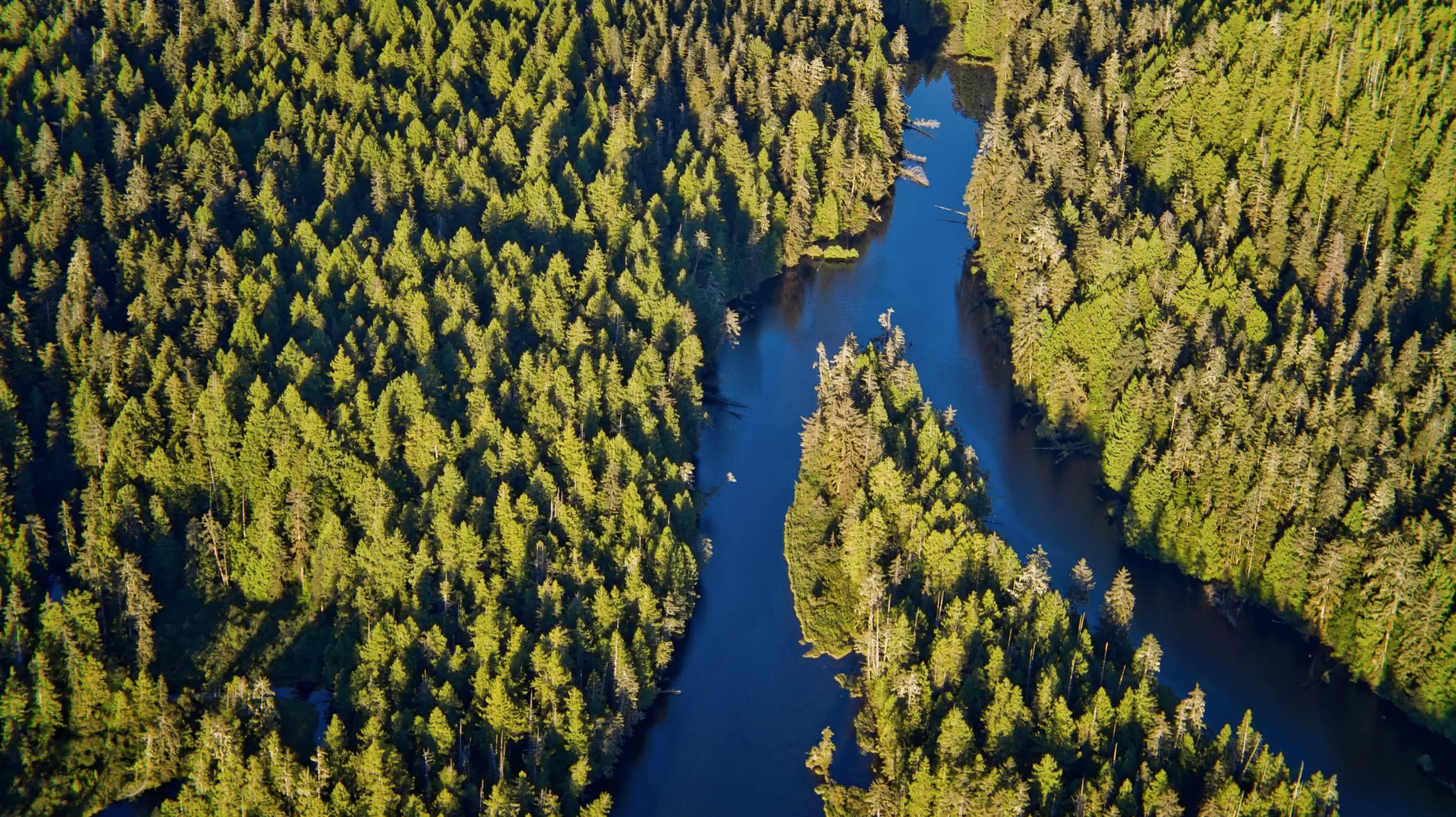
Building on Our Success
Building on the success of ICAN, Coastal First Nations develops tools and trainings that support First Nations communities across BC to advance their climate action goals. These free, online tools trainings, and resources support knowledge exchange, networking, and local climate action planning, uplifting First Nations capacity to protect their communities’, territories’, culture, health, and wellbeing from the impacts of climate change.
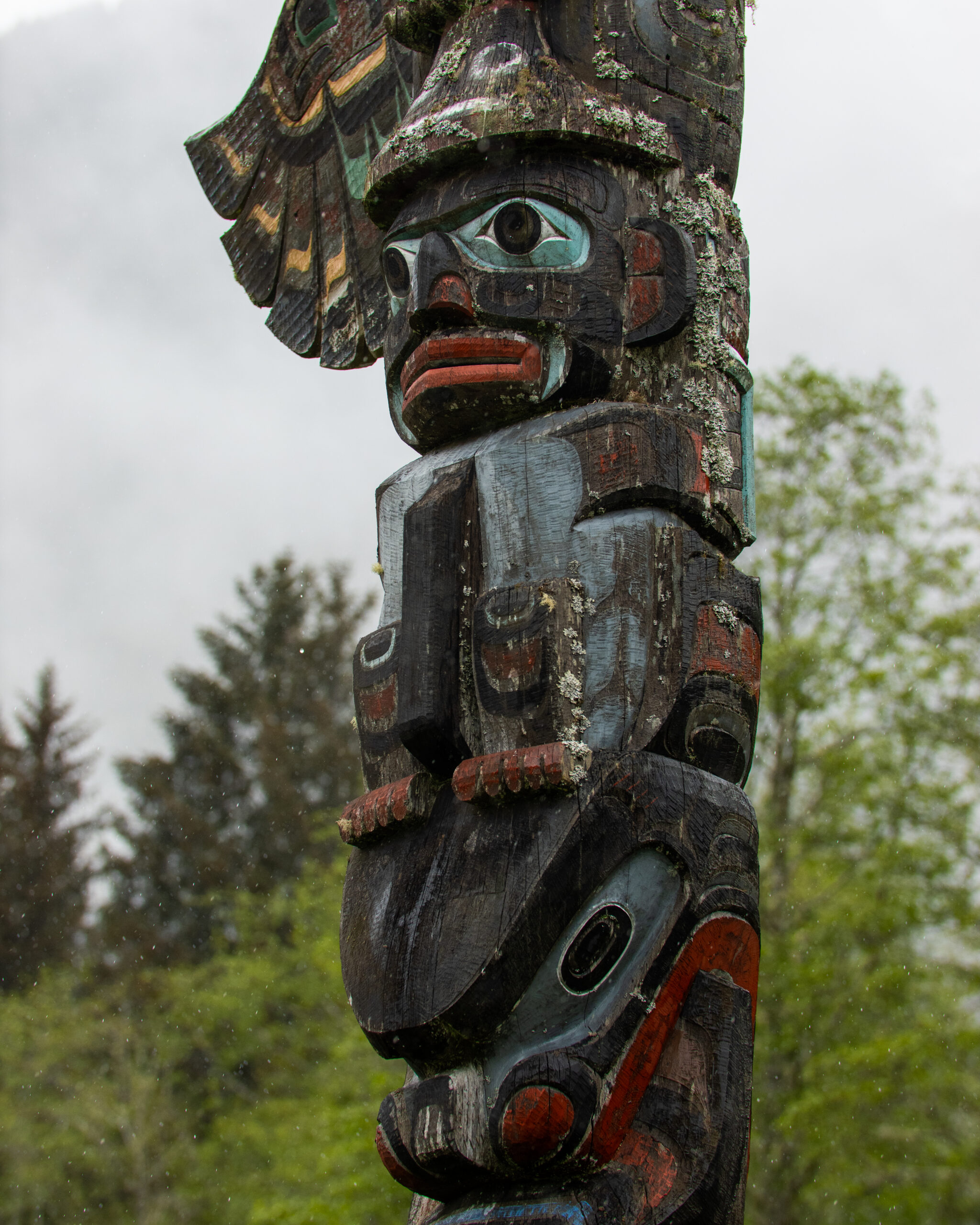
History
In 2011, CFN-GBI signed the Clean Energy Action Plan with the Province of British Columbia and BC Hydro to support our diesel dependent communities to reduce energy use and develop clean energy projects. For the first years of collaboration, CFN-GBI provided direct support to member communities, though it was soon identified that a community of practice with dedicated staff was needed to advance work in a meaningful way.
Beginning in 2019, CFN-GBI’s ICAN was established to enable member Nations to hire and train Climate Action Coordinators in each community. A peer network was started, with direct support to Nations on an as-needed basis. Based on the success of our programming, in 2022, CFN-GBI expanded the peer network to invite all 24 remote First Nations communities in BC who rely on diesel power generation.
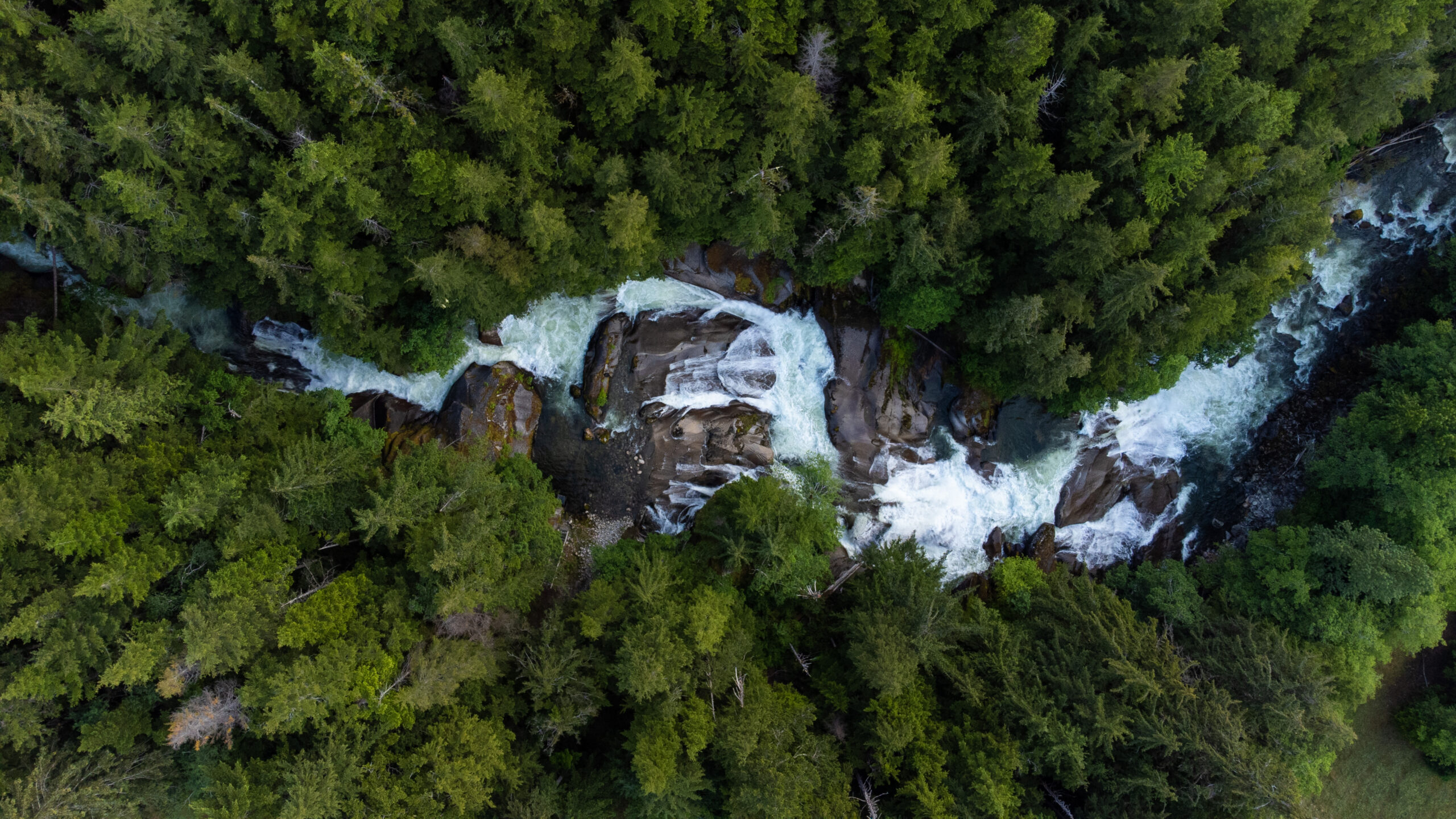
In 2023, CFN-GBI and the First Nations Emergency Services Society (FNESS) were co-awarded funding from the Province’s Indigenous Climate Adaptation Working Group (ICAWG) to develop climate adaptation-focused capacity-building initiatives for First Nations communities. Recognizing the unique but complementary strengths of the two Indigenous-led organizations, FNESS led the staffing of Regional Climate Resilience Coordinators, and CFN-GBI led a province-wide First Nations capacity assessment, targeted trainings and learning tool development.
Building from the leadership and demonstrated success of the Indigenous Climate Action Network, CFN-GBI is continuing to enhance the climate capacity of all First Nations communities, leading and serving as a model for First Nations-led climate action across BC.
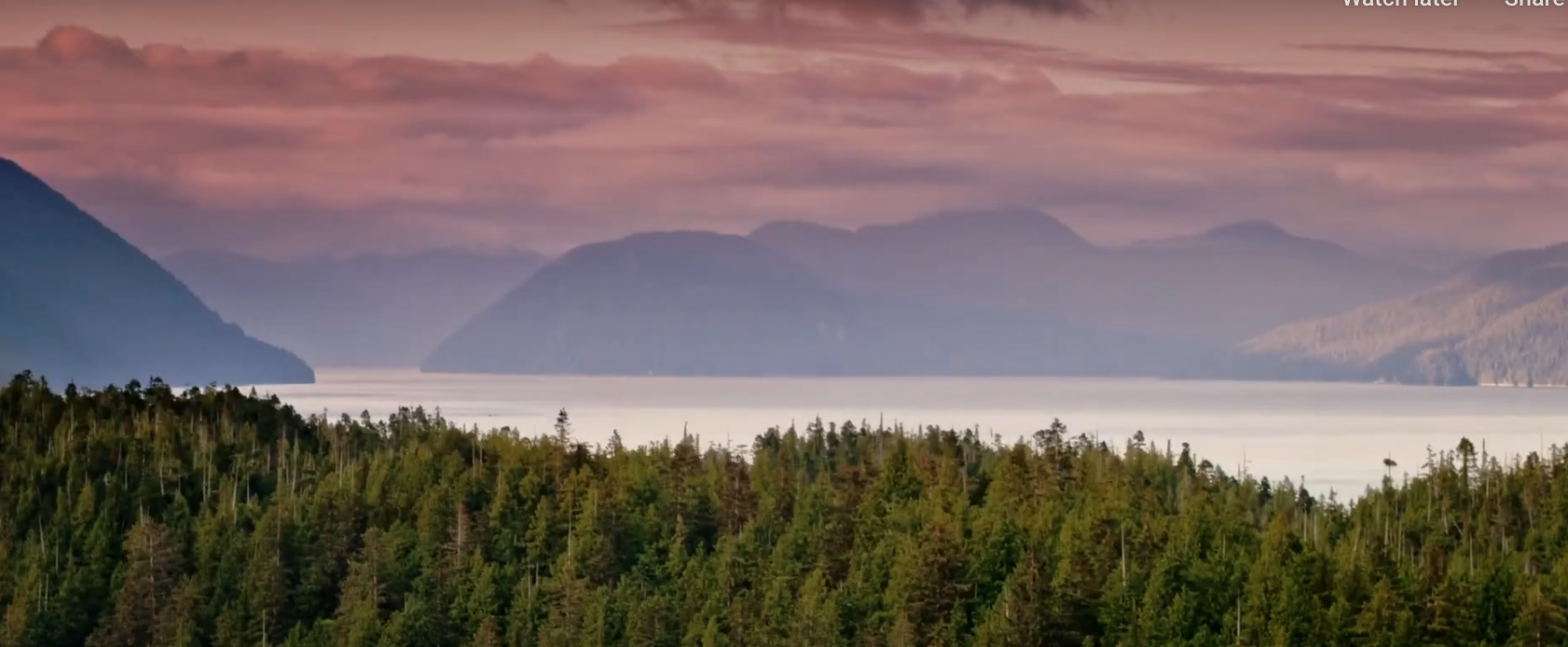
A Clean Energy Future
Watch The VideoRelated Stories
-
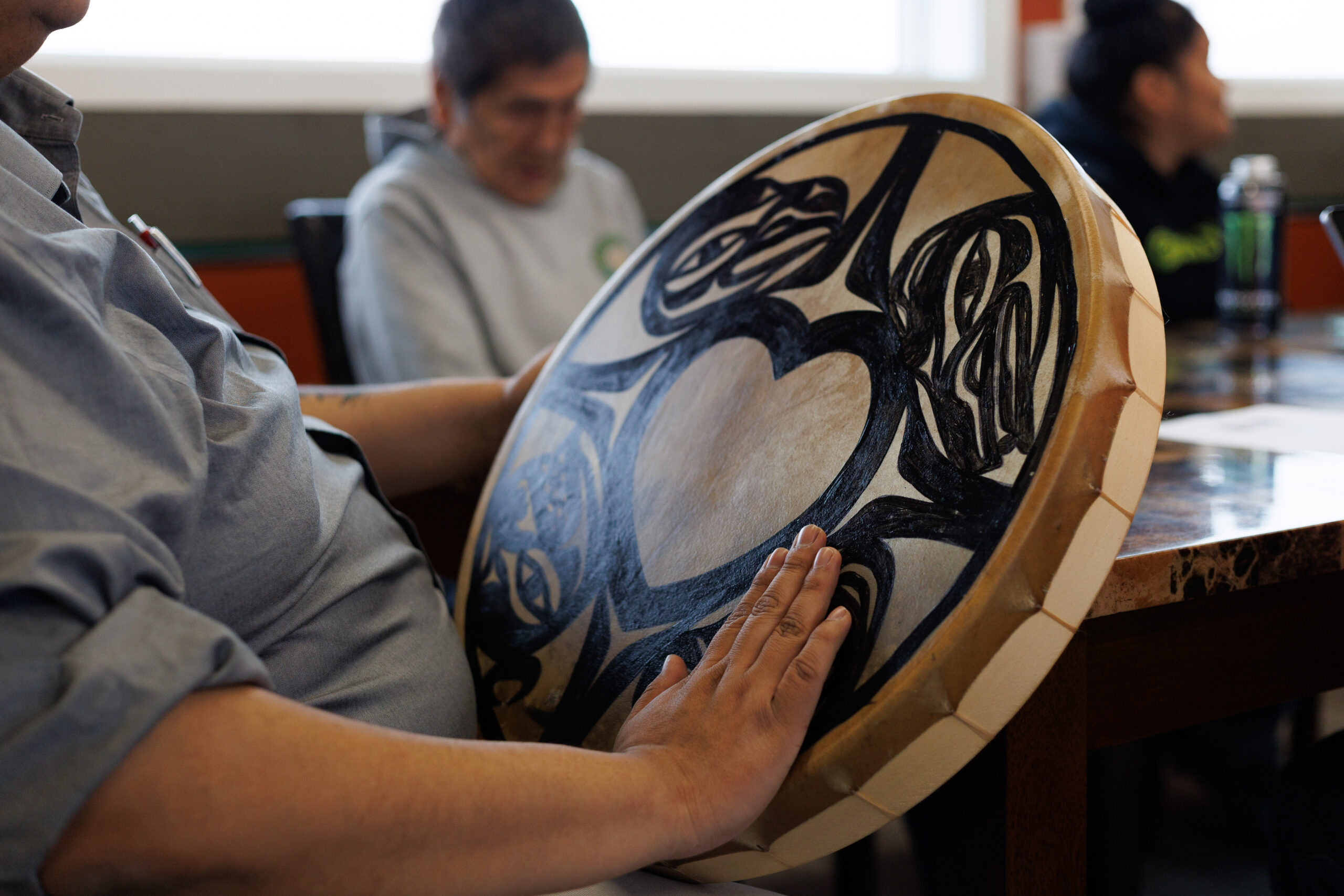
Indigenous Climate Action Network Reconnects on the North Coast for Annual Gathering
Read StoryICAN held its Annual Gathering in Prince Rupert, the territory of the Sm’algya̱x speaking people, June 8–12, 2026.
-
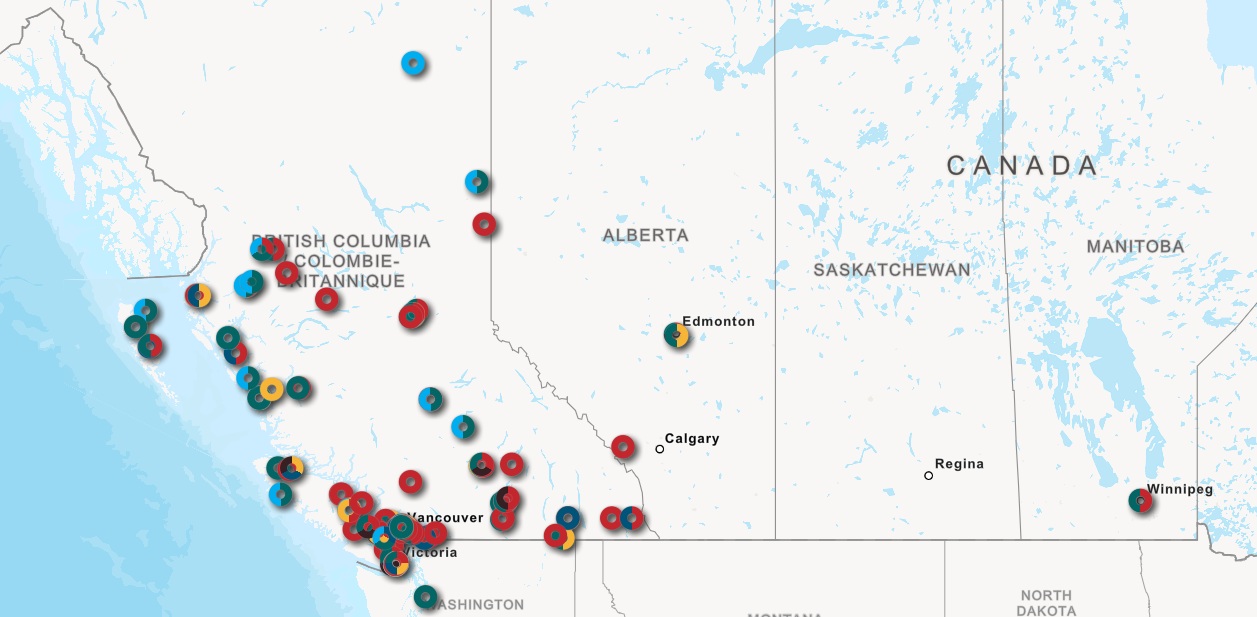
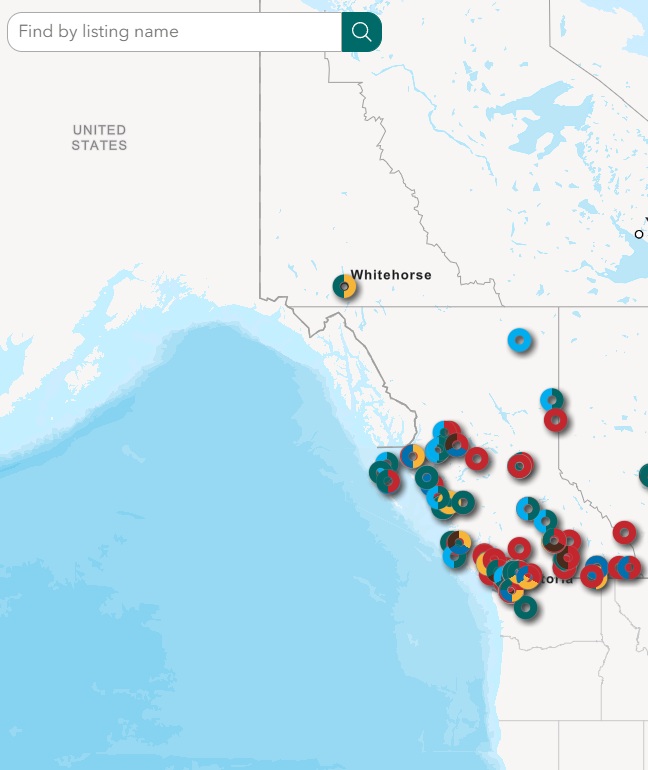
First Nations Climate Action Network Map
Read StoryA tool for First Nations communities to connect with others working on climate resilience.
-
First Nations Climate Action Network Map Webinar
Read StoryJoin us for a webinar to launch the First Nations Climate Action Network Map, a new resource from CFN’s Climate…
-
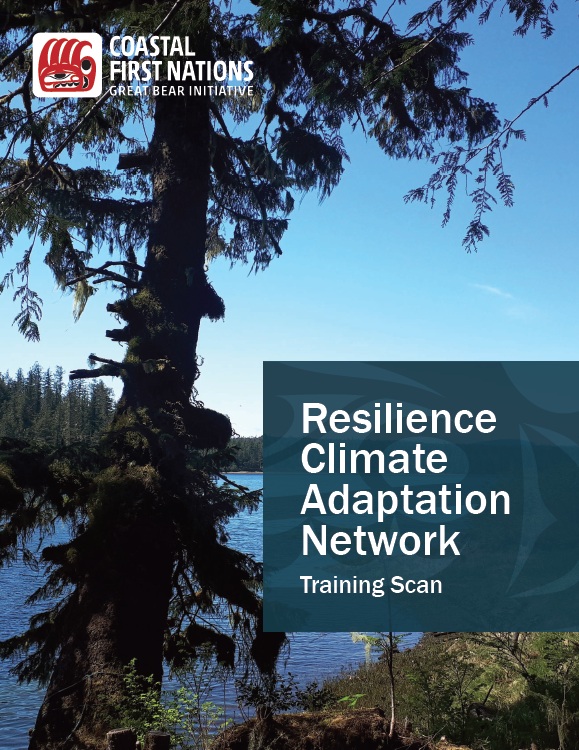
Resilience Climate Action Network: Training Scan
Read StoryThe RCAN Training Scan highlights educational resources for First Nations communities that focus on climate adaptation and resilience.
Explore more stories:
Explore Our Initiatives
Learn more about Climate Action initiatives.
-
Tools and Trainings
Learn More -
Indigenous Climate Action Network
Learn More -
Nuxalk Nation Building a Sustainable Future
Learn More -
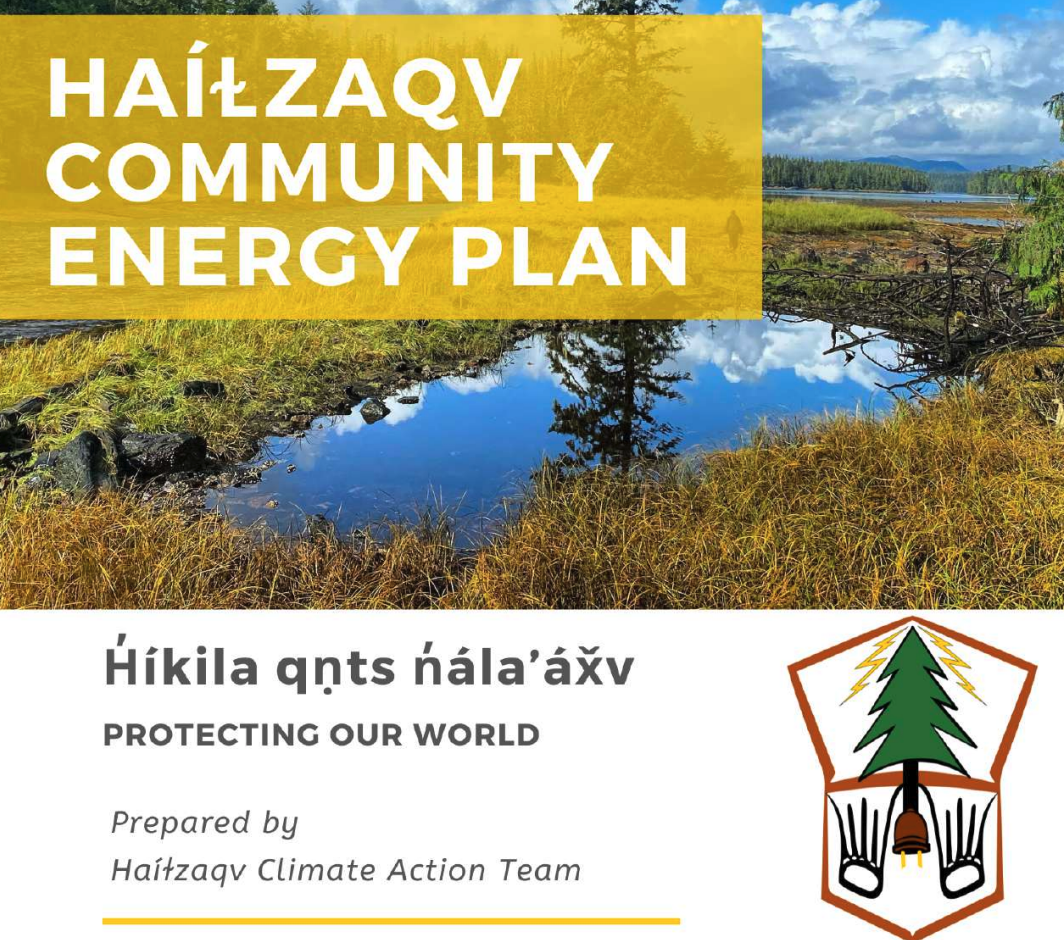
Haíɫzaqv Climate Action: Community-Led Energy Plan
Learn More -
Community-Wide Heat Pumps
Learn More
Resources
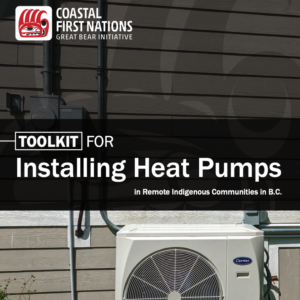
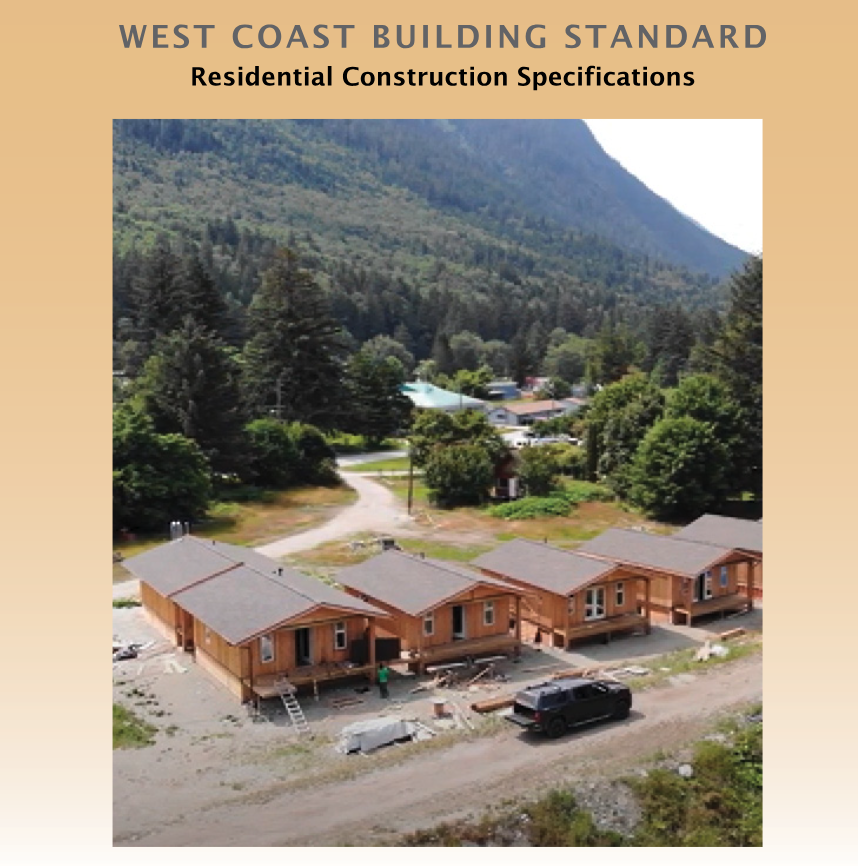
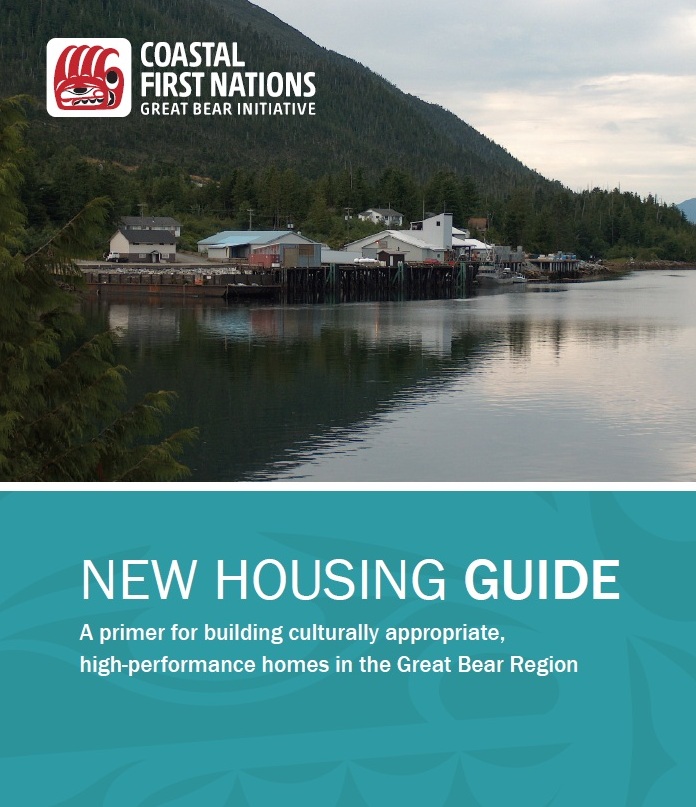
CFN produces a wide range of tools, reports, fact sheets and other publications. Check back regularly, as we post new resources here.
Explore other initiatives
Want to Reach Us?
Please complete the contact form and we will get back to you as soon as we can!
Contact Us