Tools and Trainings
TOOLS & TRAINING
Indigenous peoples across BC have cultivated a deep connection to their lands since time immemorial, demonstrating sustainable stewardship and unique land-based knowledge. This history has positioned First Nations as leaders in climate action and sustainability, with rights to be respected and uplifted in support of climate resilience. At the same time, the impacts of colonialism create conditions where communities require additional support to enhance their capacity for local climate resilience. This is one reason why the impacts of climate change are disproportionately felt by First Nations communities.
Coastal First Nations works collaboratively with partners and communities to enhance community capacity for climate action not just for our ICAN member Nations, but for all First Nations across BC. We have partnered with the First Nations Leadership Council (FNLC) and First Nations Emergency Services Society (FNESS) to identify gaps in current resources and develop tools and trainings to support and strengthen First Nations climate leadership across BC.
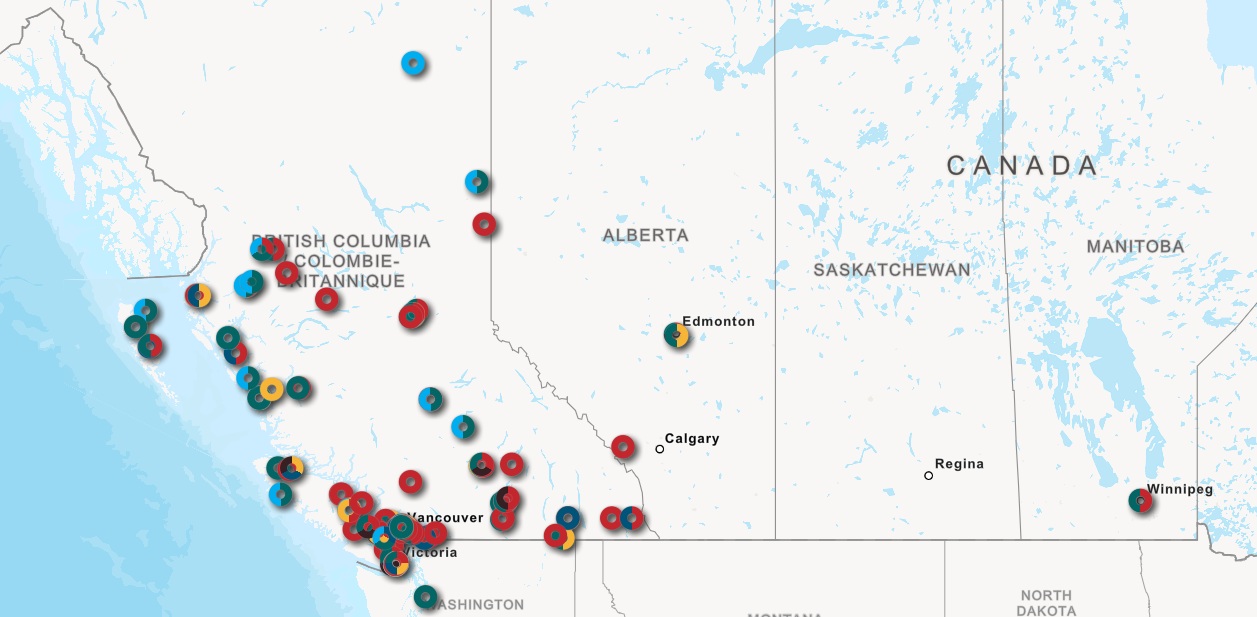
Through community and partner engagement, we identified a gap in awareness of available climate action resources, training opportunities and initiatives led by First Nations communities. In response, we developed the Training Scan and First Nations Climate Action Network Map to support knowledge sharing and connections across communities. The Training Scan also identified several gaps in existing training offerings, including a lack of a free, online, BC-specific training focused on climate adaptation. Addressing this need, we developed the First Nations Climate Resilience Course.
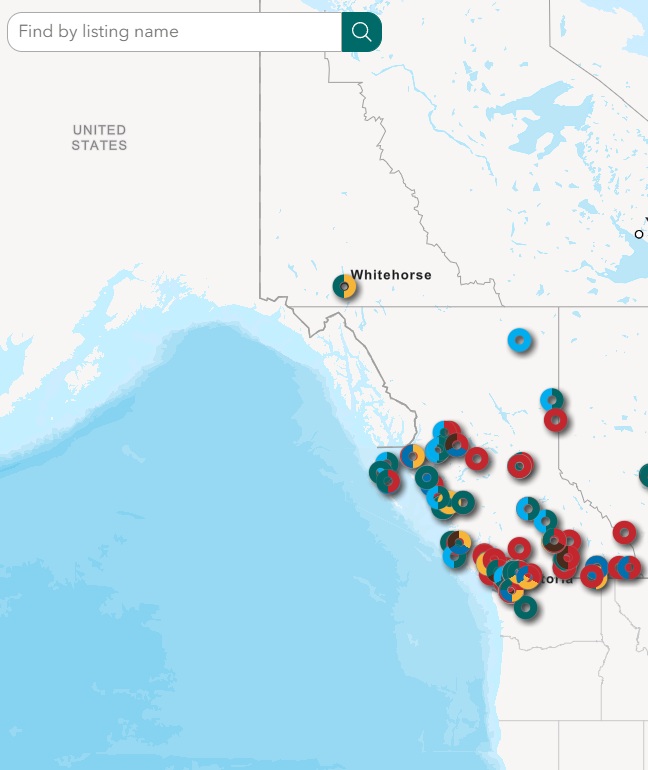
First Nations Climate Action Network Map
A tool for First Nations communities and staff members to get the ‘lay of the land’ and identify and connect with potential partners, organizations and communities working on similar climate resilience priorities. The Network Map helps create and strengthen connections between First Nations working on climate resilience and supports us in building off one another’s work. It includes resources, training offerings and community examples to inspire and empower First Nations leadership in climate action.
Training Scan
A scan of educational resources, toolkits, and training opportunities available to First Nations communities and staff members to support their climate resilience knowledge and capacity development. Each training program is grouped into one of two categories based on the organization providing the training: Indigenous-led organizations or post-secondary institutions (universities, colleges, or institutes). There is also a section for Professional Training Programs, which includes courses for foundational skills often necessary to do climate-related work, such as grant writing or data analysis.

First Nations Climate Resilience Course
An online, free and interactive course open to all, though designed specifically to support First Nations communities and individuals in BC. The Course helps learners move from understanding to action in climate adaptation, grounded in First Nations rights, title, values and worldviews.
Acknowledgements
Coastal First Nations gratefully acknowledges the financial support of the Province of British Columbia through the Ministry of Energy and Climate Change Solutions. We also acknowledge and give thanks to all members of the Indigenous Climate Adaptation Working Group (ICAWG), that provide technical advice on a broad range of matters related to preparing for and adapting to climate change. The resources designed to support capacity-building in First Nations communities were born from recommendations made from Indigenous leaders who share knowledge with the Province through this table.
We give thanks to the First Nations Emergency Services Society (FNESS) and the First Nations Leadership Council (FNLC) who collaborated and partnered with CFN-GBI on the development of these tools and training. We also gratefully acknowledge Pinna Sustainability for their support on the development and delivery of the CFN-GBI Climate Action program.
Related Stories
-
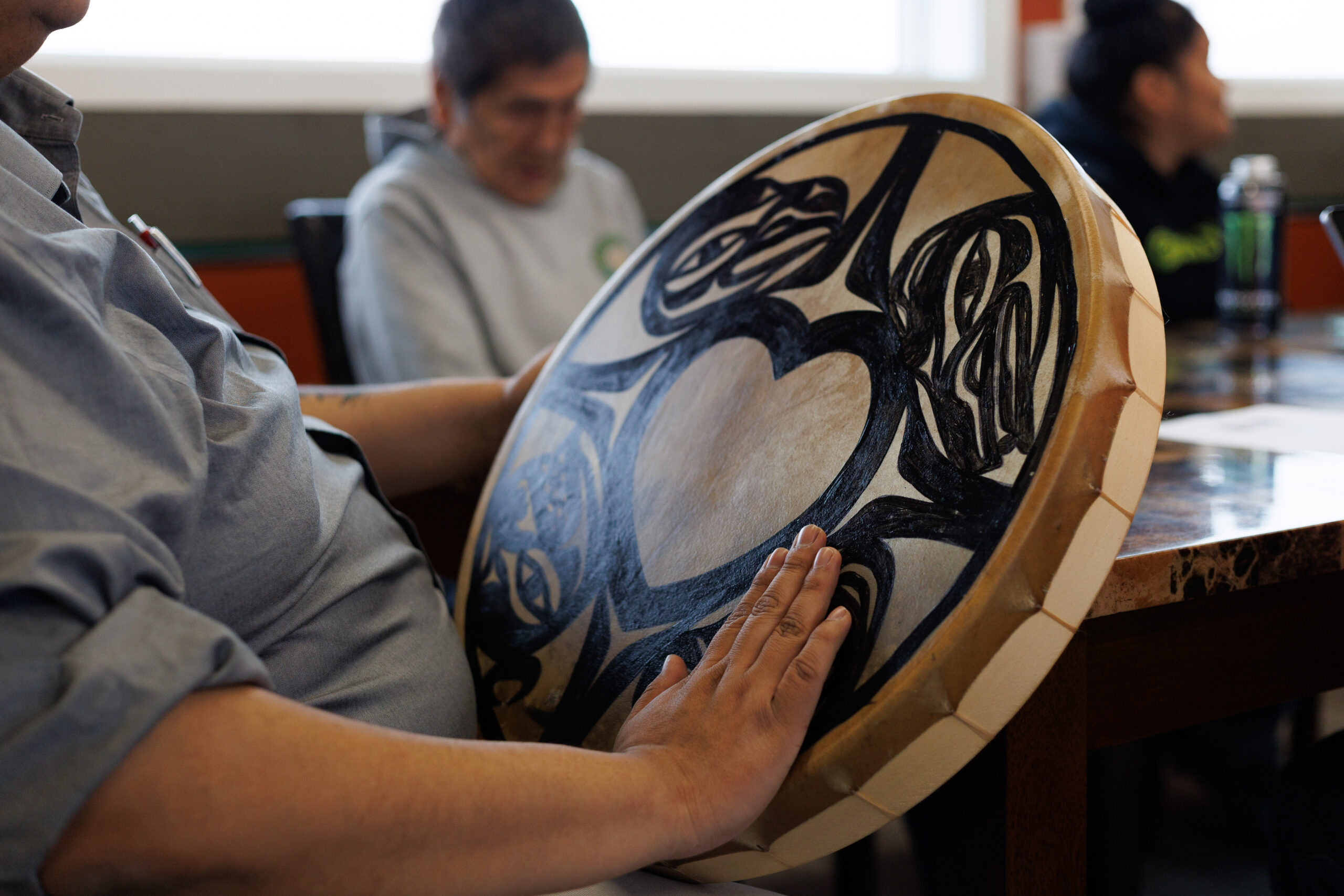
Indigenous Climate Action Network Reconnects on the North Coast for Annual Gathering
Read StoryICAN held its Annual Gathering in Prince Rupert, the territory of the Sm’algya̱x speaking people, June 8–12, 2026.
-
First Nations Climate Action Network Map
Read StoryA tool for First Nations communities to connect with others working on climate resilience.
-
First Nations Climate Action Network Map Webinar
Read StoryJoin us for a webinar to launch the First Nations Climate Action Network Map, a new resource from CFN’s Climate…
-
Resilience Climate Action Network: Training Scan
Read StoryThe RCAN Training Scan highlights educational resources for First Nations communities that focus on climate adaptation and resilience.
Explore more stories:
Resources
CFN produces a wide range of tools, reports, fact sheets and other publications. Check back regularly, as we post new resources here.