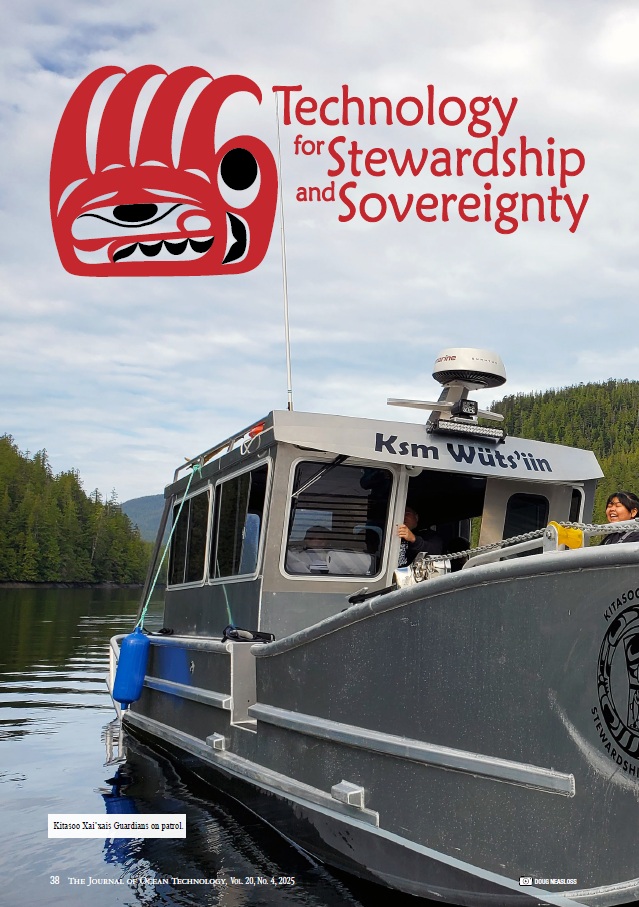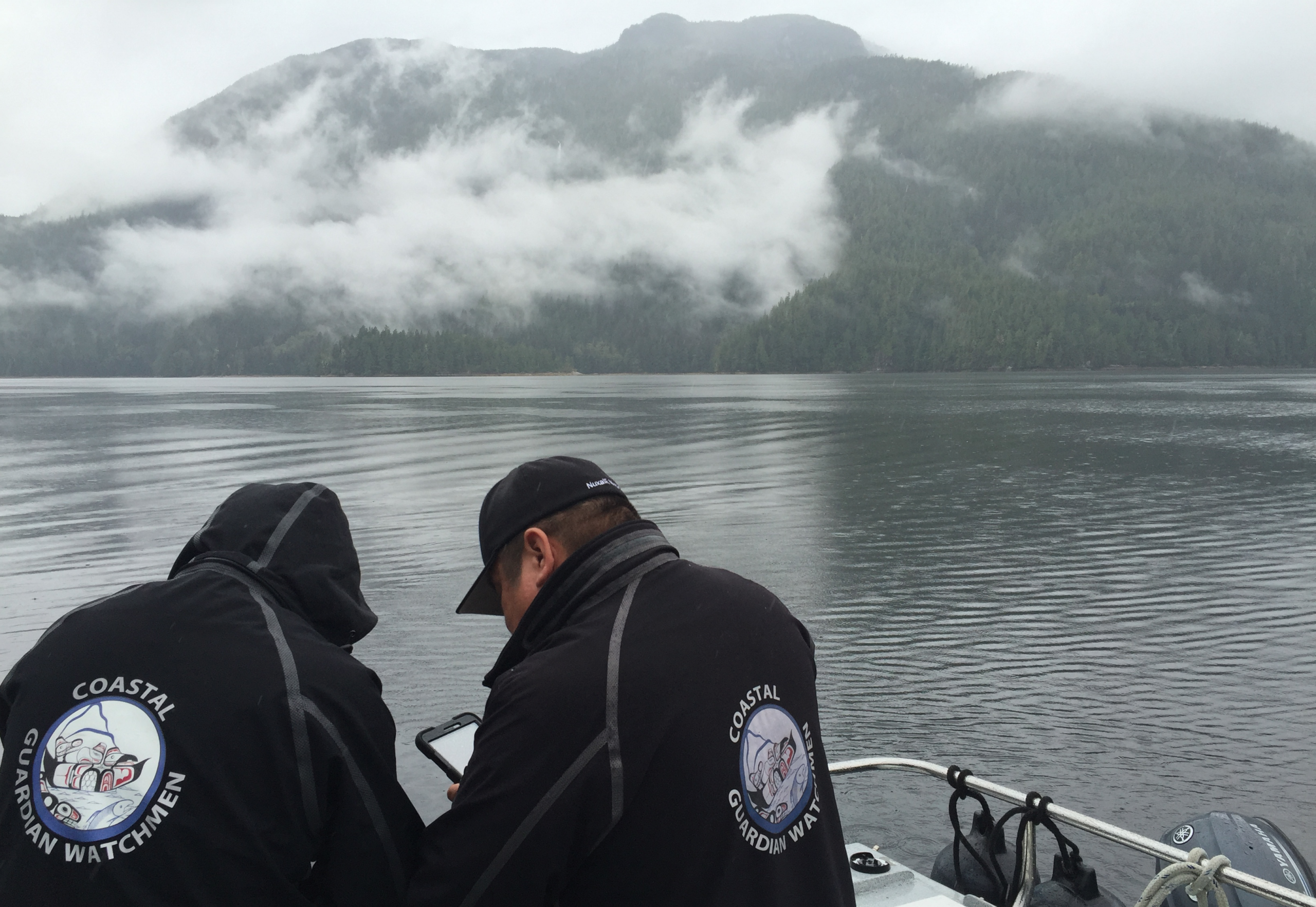
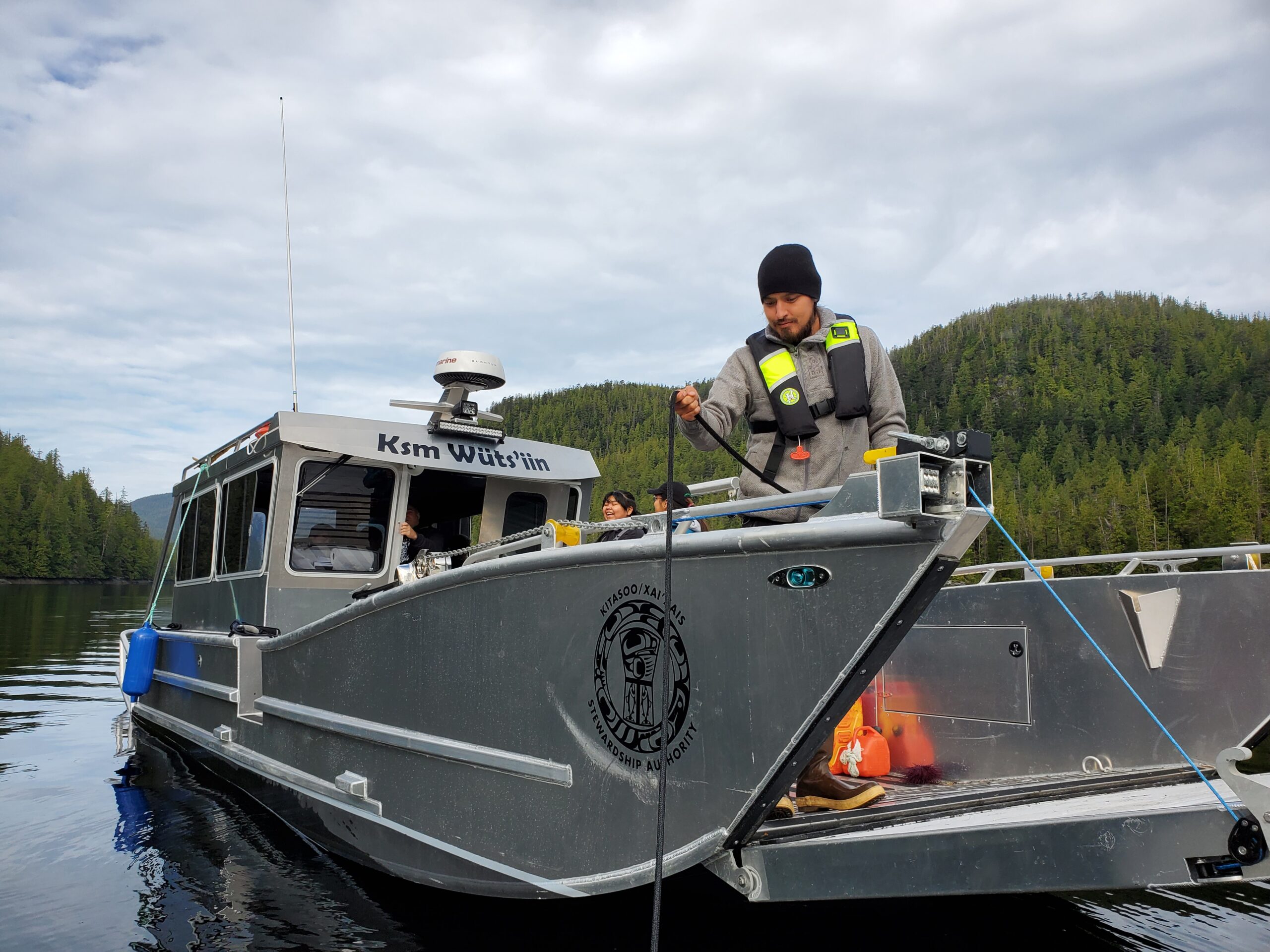
In its winter edition (Vol 20, Number 4), the Journal of Ocean Technology published a feature article on the Regional Monitoring System (RMS)—the digital platform that Coastal Guardians and other stewardship staff use to monitor territories throughout the North and Central Coast and Haida Gwaii.
The essay, titled Technology for Stewardship and Sovereignty, describes how the RMS advances both environmental stewardship and Indigenous rights, while ensuring the Nations maintain complete control over their data through principles of OCAP (Ownership, Control, Access and Possession)—an information governance standard that sets how data should be collected, protected, used or shared.
“Every line of code represents a commitment to data sovereignty, and every feature supports Coastal Guardians as they monitor and protect their territories,” writes lead author Rodrigo Samayoa, a member of CFN’s Coastal Stewardship Network team, which works to enhance RMS features based on the Nations’ stewardship priorities. “Unlike other monitoring systems, where data flows to crown governments, non-profits, academic institutions, or commercial vendors, all RMS data remains under Indigenous control.”
Using case studies and examples gathered from interviews with RMS users in CFN member Nations, the article documents the history, development and capabilities of this innovative monitoring system—from its origins as paper field cards in 2009 to today’s multi-pronged digital platform that provides a technological backbone for Guardian programs.